

Christians United Against
Human Trafficking


501(c)3 non-profit organization - your support
of this ministry is tax deductible
What Is CSAM?
CSAM (Child Sexual Abuse Material) refers to any visual content depicting the sexual abuse or exploitation of children, including photos, videos, livestreams, or AI-generated images, and is illegal to create, possess, or distribute.
The United States is the #1 producer and consumer of CSAM.
Definition and Terminology:
CSAM is the preferred term over “child pornography” because it accurately reflects the abuse involved rather than implying consent or normalization of the content. It includes any material showing a minor (anyone under 18) being sexually abused, whether real or synthetic, and encompasses photographs, videos, computer-generated images, or live streams. A child cannot legally consent to sexual activity, so all such material constitutes abuse.
Legal Context:
Under U.S. federal law, CSAM is still often referred to as child pornography, but the term CSAM emphasizes the criminal and abusive nature of the content. Federal statutes prohibit the production, distribution, advertisement, receipt, and possession of CSAM. Offenders can exploit children through digital devices, online platforms, and encrypted networks, making the crime increasingly complex and widespread.
Impact on Victims:
CSAM creates a permanent record of a child’s victimization, and each time the material is shared online, the child experiences re-victimization. Survivors often report that the ongoing distribution of these images affects them differently than the original abuse, as the content remains accessible indefinitely. The abuse can involve coercion, manipulation, or grooming, and perpetrators are often known to the child.
Modern Challenges:
The internet, social media, and smartphones have facilitated the creation, storage, and distribution of CSAM. Offenders often use online platforms to groom children, sextort them, or encourage
self-generated content, which is then shared or sold. It provides anonymity for offenders, allowing CSAM to circulate with minimal risk of detection according to the Department of Justice.
Key Takeaway:
CSAM is not just illegal content—it is evidence of child sexual abuse. Using the term CSAM helps society recognize the severity of the crime, prioritize victim protection, and avoid minimizing the harm caused to children.
Every year, perpetrators sexually abuse tens of thousands of U.S. children and teens. These experiences can leave lasting emotional, psychological, and physical scars.
Perpetrators of Child Sexual Abuse Are Often Related to the Victim!
93% of victims under 18 know their abuser. Of sexual abuse cases reported to law enforcement, 93% of juvenile victims knew the perpetrator: 59% were acquaintances, 34% were family members, and only 7% were strangers to the victim.
(Statistics collected by RAINN.org)
Sexual violence against children and teens is a widespread and deeply underreported issue
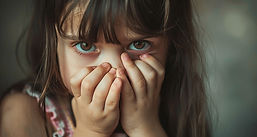

If you have knowledge of CSAM contact local law enforcement and report it immediately.
Awareness - Prevention - Advocacy - Outreach - Collaboration - Mobilization
This is NOT a reporting site. - If someone is in immediate danger call 911 Nationwide. - To report Human Trafficking call (888) 373-7888 Nationwide - In Florida call the Florida reporting line at 855-FLA-SAFE (855-352-7333)